Braga Hub
SC Braga, known as Os Arsenalistas, has always had a rich history, but the year 2006 stood out as a year of true transformation. After a series of challenging seasons, the club decided to embark on a new project that would change its future. Under the presidency of António Salvador, Braga began to implement a new approach, focusing on young talents and building a competitive team.
One of the main changes was the hiring of new coaches and the restructuring of the technical department. The arrival of coaches with a modern and tactical vision allowed Braga to adopt a more attractive and dynamic style of play. This focus on modernization not only improved the quality of football played but also began to attract a new generation of players who wanted to be part of this revolution.
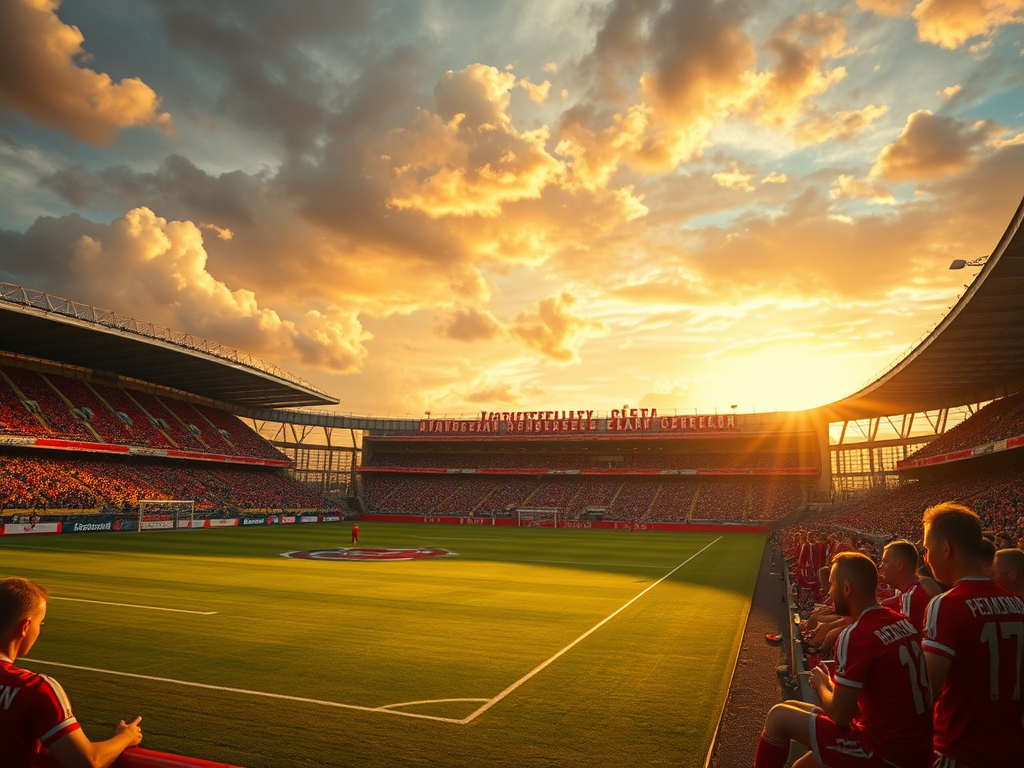
Moreover, the new work philosophy established a solid foundation for the team. SC Braga invested in homegrown talents, promoting players who would become club icons, such as forward Paulo César and midfielder Hugo Viana. The club also began investing in infrastructure, preparing the Estádio Municipal de Braga to host major events and increasing the capacity for fans, which brought an even more vibrant atmosphere to home games.
The impact of these changes began to be visible in competitions. Braga not only became a feared opponent in the Primeira Liga, but also stood out in European competitions. Participation in the UEFA Europa League, for instance, became a new goal, and the club achieved remarkable results, elevating its profile internationally.
In 2006, SC Braga was not just changing its fortune; it was redefining what it meant to be an Arsenalista. The club's rebirth was not just about better results on the pitch but about building an identity and a winning culture that still resonates among fans today. The legacy of that year continues to inspire future generations, solidifying SC Braga as a rising force in Portuguese football.